- Contact Us Now
- +1 512-882-0165

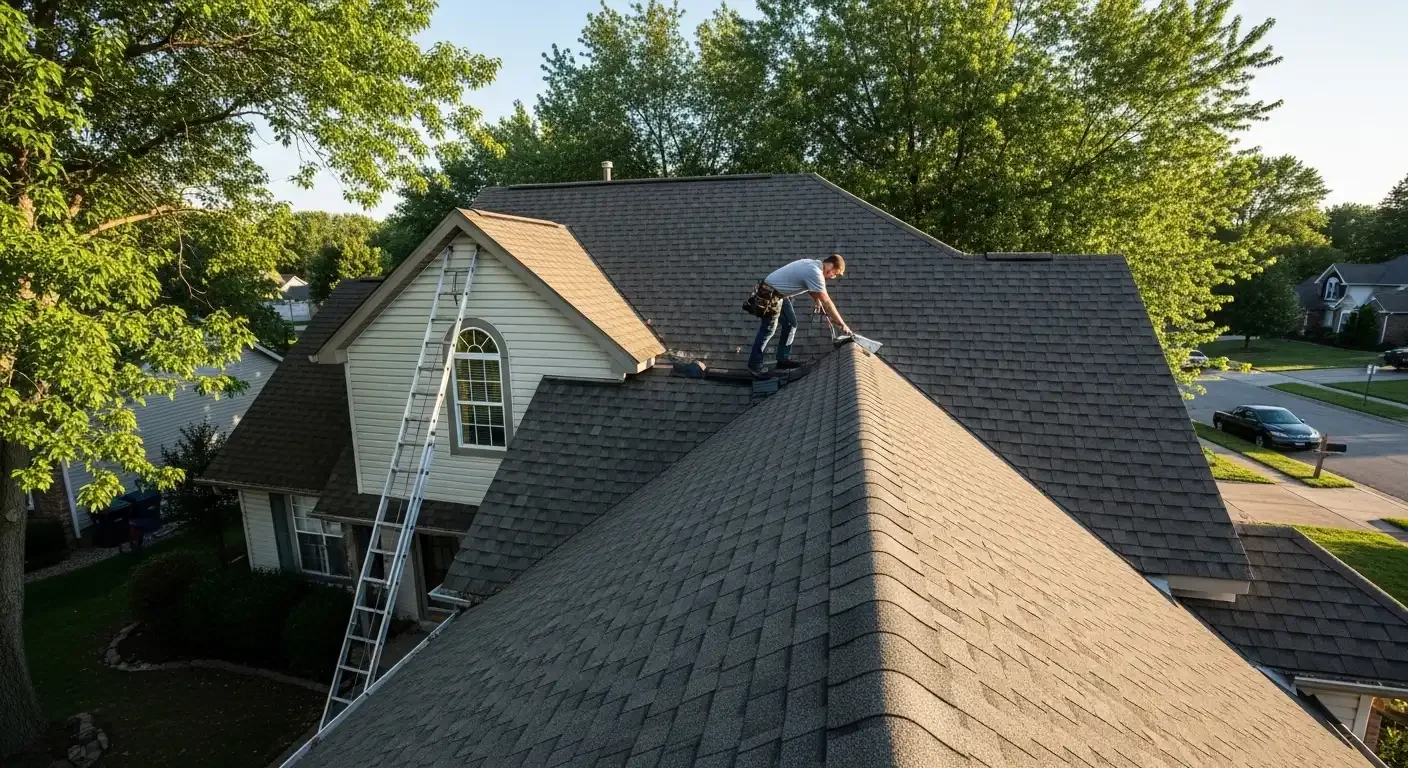
Roof maintenance means regularly inspecting, cleaning, and repairing your roof to extend its lifespan and prevent costly damage. Homeowners should inspect their roof twice a year — spring and fall — clean gutters every season, remove debris, check flashing, and schedule a professional inspection annually. Proper maintenance can extend your roof life by 10–15 years.
We’ve seen it dozens of times — a homeowner calls us in a panic. One cracked shingle turned into a $6,000 repair. It all started with a missed inspection two years ago. Most homeowners only think about their roof when something goes wrong. By then, what could have been a $150 fix has turned into a structural nightmare. Roof maintenance is the single highest-ROI home improvement habit you can build — and the majority of homeowners skip it entirely.
This guide gives you everything: seasonal checklists, real cost breakdowns, maintenance tips by roof type, and expert advice built from years of real field experience. Whether you’re dealing with intense summer heat in Texas, freeze-thaw cycles in the Midwest, or moss-heavy winters in the Pacific Northwest — this guide covers it all.
Roof maintenance is the ongoing practice of inspecting, cleaning, repairing minor damage, and preserving the condition of your roofing system to maximise its lifespan and prevent water intrusion, structural damage, and energy loss. It includes gutter cleaning, debris removal, flashing checks, ventilation inspection, and scheduled professional assessments.
What roof maintenance is not: waiting until a leak appears, assuming a new roof doesn’t need attention, or treating a one-time repair as a long-term solution. The #1 mistake we see? Homeowners treat their roof like a smoke detector — they only think about it when there’s a problem. By that point, the damage has already compounded behind your walls and ceilings. According to the National Roofing Contractors Association, reactive repairs cost 3–5x more than the same issues caught during routine preventive maintenance. A $200 annual inspection that catches a failing flashing seal prevents a $1,500–$4,000 interior water damage repair down the line.
Key Takeaway: Roof maintenance is not optional — it’s the difference between a roof that lasts 30 years and one that fails at 18.
In our years of roofing work, we’ve replaced roofs that should have lasted another decade — all because of skipped maintenance. The numbers don’t lie:
| Roof Type | Without Maintenance | With Maintenance |
|---|---|---|
| Asphalt Shingles | 15–20 years | 25–30 years |
| Metal Roof | 30–40 years | 50+ years |
| Clay/Tile Roof | 30 years | 50+ years |
| Flat/TPO Roof | 10–15 years | 20–25 years |
| Wood Shake | 15 years | 25–30 years |
Those numbers represent real money. Replacing an asphalt shingle roof costs between $8,000 and $18,000 depending on size. Routine maintenance that delays replacement by even five years is worth thousands of dollars in deferred costs.
A poorly maintained roof is a poorly ventilated roof — and poor ventilation increases energy bills by 20–30%. In hotter climates like Texas and Arizona, blocked attic ventilation can spike summer cooling costs by hundreds of dollars per season. In regions where temperatures swing dramatically between seasons, a compromised roof forces your HVAC system to work overtime year-round. Comparing annual maintenance cost ($300–$600) against a single emergency repair ($1,500–$7,000) makes the math obvious.
One small nail hole we found during a routine inspection had been leaking silently for months. By the time the homeowner noticed ceiling discoloration, the drywall repair alone came to thousand of dollars. Water doesn’t stay where it enters. It travels along rafters, pools in insulation, and breeds mold in places you can’t see. What starts as a pinhole can silently rot your roof deck, damage structural joists, and trigger insurance complications if the insurer determines neglect was involved.
Most shingle manufacturers require documented annual professional inspections as a condition of their warranty. If you file a warranty claim and can’t prove regular maintenance, the manufacturer has grounds to deny it. We’ve seen homeowners lose $15,000+ in warranty coverage because they skipped one inspection.
Key Takeaway: Skipping maintenance doesn’t just shorten your roof’s life — it can void the warranty entirely and leave you paying full replacement costs out of pocket.
Think of this checklist like an oil change schedule for your car — skip it and you’re gambling with something expensive.
| Task | Frequency | DIY or Pro |
|---|---|---|
| Gutter Cleaning | Every Season | DIY/Pro |
| Debris Removal | Monthly | DIY/Pro |
| Roof Inspection | Twice a Year | DIY/Pro |
| Flashing Check | Annually | Pro |
| Moss/Algae Treatment | As Needed | DIY/Pro |
| Professional Inspection | Annually | Pro |
| Ventilation Check | Annually | Pro |
| Sealant/Coating Check | Annually | Pro |
A written checklist turns maintenance from a vague intention into a trackable habit — and trackable habits protect your investment.
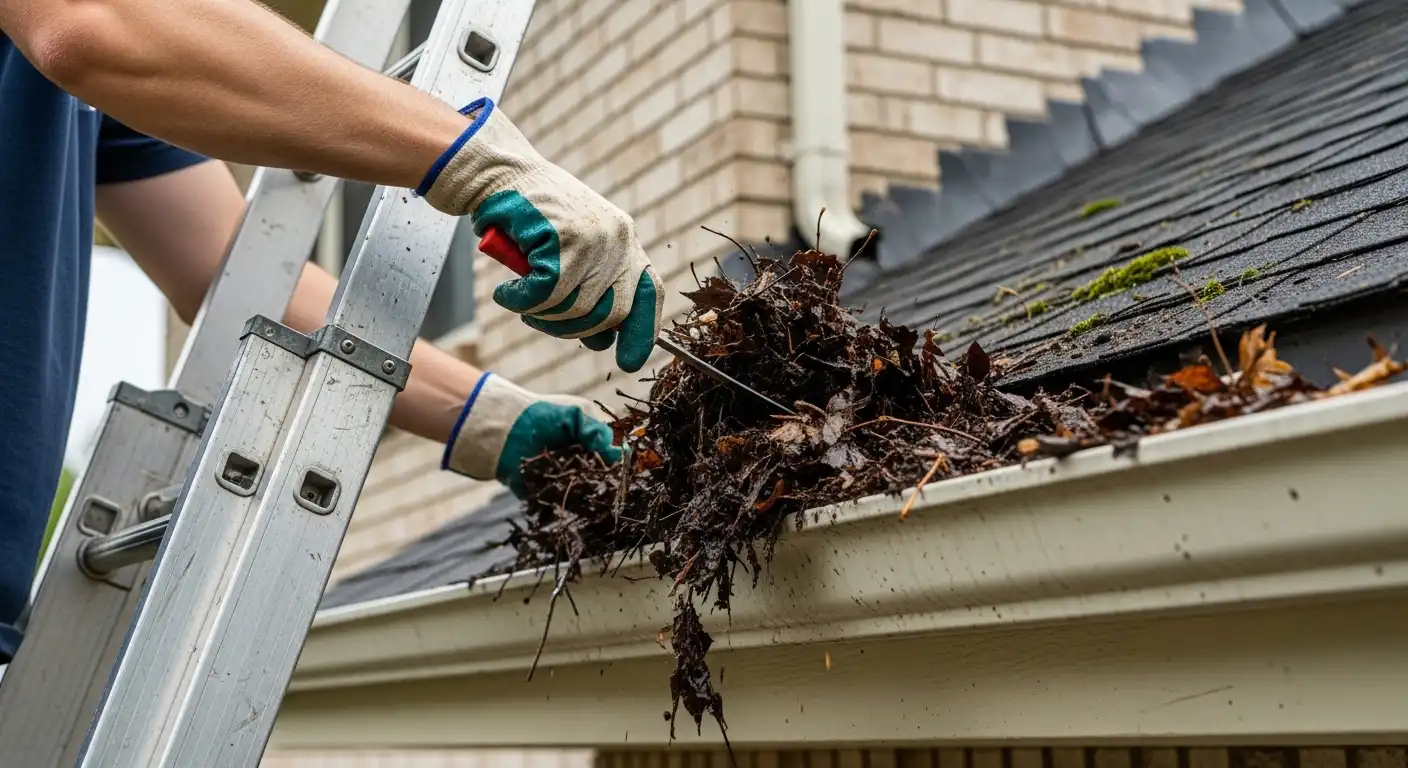
Fall is your last clean window before winter stress arrives. Priorities:
Clean gutters completely — leaves and debris create blockages that cause water to back up under shingles. Trim overhanging branches to at least 10 feet of clearance from the roofline. Apply zinc strips along the ridge line to limit moss and algae growth over winter. Inspect flashing around chimneys, pipes, and vents before freeze-thaw cycles stress the seals. In the Pacific Northwest, moss grows year-round — fall treatment is non-negotiable, not optional.
Winter is when deferred maintenance becomes a crisis. The most common winter issue we respond to in cold climates is ice dams — ridges of ice that form at the roof’s edge when heat escapes through the roof deck, melts snow, and that water refreezes at the cold overhang. How to prevent ice dams: ensure your attic is properly insulated (R-38 or higher recommended for cold climates), confirm ventilation is keeping attic temperatures uniform, and install ice and water barrier membrane under shingles in vulnerable zones. In regions like Minnesota, the Great Lakes, and Canada, ice dams are the #1 cause of winter roof damage. Never use a metal shovel on shingles — use a roof rake from the ground only.
Spring is your post-mortem on winter. Walk the perimeter and look for lifted, cracked, or missing shingles after freeze-thaw expansion, granule loss collecting in downspouts (a sign of shingle aging), gutter re-checks after snowmelt volume, and soft spots on the roof deck visible from the attic. Schedule your professional spring inspection early — roofing season fills up fast.
In hot climates like Texas and Florida, UV stress is the silent roof killer. Shingles bake and crack faster than homeowners realise, and attic temperatures can reach 150°F+ when ventilation is inadequate. Check for blistering or buckling shingles (signs of heat damage or poor ventilation), inspect ridge and soffit vents for blockage, and trim any tree growth that increased during spring.
| Season | Key Tasks | DIY or Pro |
|---|---|---|
| Spring | Inspect for winter damage, clean gutters, check shingles | DIY/Pro |
| Summer | Check ventilation, inspect for heat damage, trim trees | DIY |
| Fall | Clean gutters, remove debris, apply moss treatment | DIY/Pro |
| Winter | Monitor ice dams, check insulation, safe snow removal | Pro |
Key Takeaway: Every season brings a different threat to your roof — a seasonal maintenance habit addresses each one before it becomes a repair bill.
Inspect your roof twice yearly — spring and fall — plus after any major storm, hail event, or high wind. If your roof is over 15 years old, add a mid-year check to your schedule. Don’t wait for visible interior symptoms; by that point, damage is already advanced.
Start in the attic — look for daylight penetrating through boards, moisture stains, mold growth, or sagging decking. Walk the perimeter and inspect gutters for granule buildup and downspouts for proper drainage. Check shingles from the ground using binoculars — look for curling edges, cracking, or missing material. Inspect flashing around the chimney, all pipe penetrations, vents, and skylights. Document everything with photos — compare year over year to catch subtle changes that are invisible in the moment but obvious side-by-side. We always tell homeowners: photograph your roof every spring. A two-year comparison often reveals granule loss or shingle shift that would otherwise go unnoticed until water is already inside.
Don’t wait to get on the roof. These interior symptoms mean something is already wrong: water stains on ceilings or walls (brown rings, discoloration), daylight visible through attic boards — even a small gap is a serious entry point, sagging or soft spots on the ceiling or roof deck, and mold or musty smell in the attic indicating active moisture intrusion. If you’re seeing any of these, call a professional roof inspection service immediately. Don’t wait for the next rain.
If you’re seeing 3 or more of these — don’t wait. We’ve seen homeowners talk themselves out of calling, and it always costs more in the end.
Before setting foot on a ladder, check your attic. Inspect insulation for compression or moisture saturation, look for mold or mildew on rafters, and check for any daylight gaps around penetration points. The attic is where most problems reveal themselves first — before they’re visible anywhere else.
Use a soft-bristle brush or leaf blower from a ladder — never drag materials across shingles, which strips granules. Clear all valleys, ridges, and around penetrations where debris accumulates and traps moisture.
Safety note: If you’re not comfortable on a ladder, this is not a DIY job. No inspection is worth a fall.
Clear all leaves, debris, and sediment every season — more frequently if you have nearby trees. Flush with a garden hose and verify downspouts are draining freely away from the foundation. Blocked gutters are one of the top causes of soffit rot and fascia damage.
Maintain a minimum 10-foot clearance between tree branches and your roofline. Overhanging branches drop debris, scrape shingles during wind, and create shaded damp zones where moss thrives. After major storms, check for any branches resting on the roof.
Your ridge vents and soffit vents work together as a system. Block one side and the whole system fails. Check soffit vents for insulation blockage from inside the attic, and inspect ridge vents for debris from outside. Blocked ventilation causes moisture buildup, mold, and dramatically accelerates shingle aging.
Asphalt shingles: check for granule loss, curling edges, and cracking. Metal roofs: inspect panel coating integrity and check that fasteners haven’t backed out. Tile roofs: look for cracked or slipped tiles and inspect mortar bedding at ridges.
The most common residential roof construction type. Check annually for curling, cracking, and granule loss — all signs of UV and weather degradation. Replace individual damaged shingles before water reaches the decking. Average annual maintenance can cost between ~$200–$400.
Metal roofs are low-maintenance but not no-maintenance. Wash panels annually to prevent oxidation, inspect sealant at all lap joints and penetrations, and check that fasteners haven’t backed out from thermal expansion cycling. Check for any rust formation at cut edges. Average annual maintenance can cost between ~$150–$350.
Flat roofs require the most vigilant attention to drainage. Inspect expansion joints, drains, pipe supports, and any areas of ponding water — standing water beyond 48 hours after rain indicates a drainage problem. Membrane punctures are easy to miss visually but cause serious interior damage. Average annual maintenance can cost between ~$300–$600.
Check for cracked or slipped tiles after any wind event — a single displaced tile exposes the underlayment to direct water entry. Inspect bedding mortar at ridges and hips annually, and treat for moss buildup in shaded areas. Average annual maintenance can cost between ~$300–$500.
Wood shake is beautiful but unforgiving — skip one season of moss treatment and you’re looking at accelerated rot that spreads quickly to adjacent shakes and the decking below. Inspect for moisture-darkened wood, cracking along the grain, and any soft spots. Average annual maintenance can cost between ~$300–$600.
Key Takeaway: Your roof type determines your specific maintenance needs — generic advice doesn’t apply equally to all materials.
Shingles and roofing material overall condition, granule retention, alignment. Flashing around chimney, all vents, skylights, and wall intersections — flashing failure is the #1 leak cause. Every pipe, HVAC unit, and antenna mount is a potential penetration point. The soil stack rubber boot around plumbing vent pipes cracks and fails every 10–15 years — this is a hidden leak source most homeowners and even some roofers overlook until it’s already leaking.
Check the attic for moisture and mold — any discoloration on rafters or decking indicates active or past intrusion. Inspect insulation condition — wet or compressed insulation loses R-value and breeds mold. Look for sagging rafters or rotting decking, which are structural red flags requiring immediate professional evaluation. Check pipe penetrations from inside where any pipe exits through the roof deck. The attic tells us everything. In most cases, we can diagnose a roof problem from inside the attic before we ever step foot on the roof itself.
Ridge vents and soffit vents must work as a pair. Many homeowners insulate their attic floor and inadvertently block soffit vents — this traps moisture and heat, creating conditions that age shingles from the inside out and encourage mold growth.
We opened an attic once and immediately knew something was wrong — the smell gave it away before we saw the damage. Someone’s dryer had been venting into the attic space for years. The decking was actively rotting. The total repair had a cost of thousands of dollars. Every bathroom exhaust fan and dryer vent must terminate outside the structure, not into attic space.
Downspouts that terminate within 3 feet of the foundation allow water to pool against your home — leading to basement intrusion, foundation erosion, and fascia rot. Extend all downspouts at least 6 feet from the structure, or connect to underground drainage.
Previous patches and sealant repairs degrade faster than original roofing material. A tar patch applied 5 years ago may be cracking and pulling away today. Include all previously repaired areas in your annual inspection — they’re often the first points of failure.
Ice dams form when attic heat melts roof snow, which then refreezes at the cold eaves. The resulting ice ridge forces water backward under shingles and into the structure. Prevention: seal air leaks between living space and attic, add insulation to maintain a cold uniform attic temperature, and install ice and water barrier membrane during any re-roofing work. Ice dams are nearly universal in the northern US and Canada — proper attic insulation is your first line of defense.
Moss retains moisture against the roof surface and its root system physically lifts and separates shingles. Treatment: apply a zinc sulfate or copper sulfate solution, then install zinc strips at the ridge to provide ongoing protection. Never pressure-wash shingles — it strips granules and voids warranties. In humid climates like the Southeast and Pacific Northwest, moss can take hold within a single season of neglect.
Flashing — the metal strips sealing transitions around chimneys, pipes, and walls — is the most common entry point for water. Early signs are visible rust, lifting edges, or cracked sealant bead. Minor deterioration can be resealed by a professional; significantly corroded or improperly installed flashing requires full replacement.
On average, homeowners spend around $300 to $600 per year on roof maintenance, but this can vary depending on the roof condition and location. Basic services like gutter cleaning usually cost about $100 to $300, while inspections and small fixes may add another $150 to $400. Minor repairs can go higher, especially if damage is ignored, and emergency fixes can easily reach thousands of dollars. In general, regular maintenance stays affordable, but skipping it often leads to much bigger repair costs later.
The ROI case: every $1 spent on routine maintenance saves an estimated $5–$10 in emergency repairs. That ratio improves further when you factor in avoided interior damage, mold remediation, and warranty protection. One of our clients skipped maintenance for three years to save money. The eventual repair bill was $6,500 — more than a decade of annual maintenance combined. When we showed him the math, his response was: “Nobody ever explained it to me this way before.”
Key takeaway: The cheapest roof maintenance is the maintenance you do regularly—skipping it doesn’t save money; it defers and multiplies the cost.
Required equipment before any roof access: a safety harness anchored to a ridge anchor point, non-slip rubber-soled footwear, a ladder stabilizer (standoff) to protect gutters and keep the ladder secure, and a spotter on the ground. Avoid roof access entirely during wet, windy, or icy conditions. Early morning dew makes surfaces dangerously slippery.
Minimise how much you walk on the roof. Every step risks cracking shingles, compressing insulation below the decking, or dislodging granules. Professional roofers are trained in specific foot-placement techniques around rafters — homeowners generally aren’t. When in doubt, use binoculars from the ground or hire a professional for the access portion of the inspection.
Call a licensed roofing professional when your roof is 15+ years old with no documented professional inspection, you see interior water stains or any daylight through attic boards, multiple shingles are missing or visibly damaged, flashing is pulling away or heavily corroded, any area of the roof deck shows sagging or soft spots, after any major storm, hail event, high winds, or fallen tree impact, or when you’re preparing to sell your home.
Choose a contractor who is licensed and insured in your state with local references, provides a clear written estimate with itemised scope and no surprise fees, has verifiable reviews on Google, BBB, or Houzz, and is honest about what actually needs repair versus full replacement. Any contractor who defaults immediately to full replacement without explaining repair options is a red flag.
Don’t wait for a leak to tell you there’s a problem. A quick inspection with Llagua Roofing today can save you thousands tomorrow. If your roof hasn’t been checked in the last 6–12 months, now is the time to act. Book a professional inspection, get a clear condition report, and fix small issues before they turn into expensive repairs. Your roof protects everything underneath it — give it the attention it deserves.
Here’s what years of climbing roofs has taught us: the homeowners who never stress about their roofs are the ones who maintain them consistently. The ones who end up with $6,000 repair bills are the ones who meant to call last spring. This doesn’t have to be complicated. Inspect twice a year. Clean your gutters every season. Deal with small problems while they’re still small. Get a professional set of eyes on it once a year. Keep the records. The math is simple: $300–$600 per year in professional maintenance beats $5,000+ in emergency repairs every single time — and it beats $15,000 in voided warranty coverage too. Your roof type determines your specific needs. Seasonal habits prevent the most expensive categories of damage. And when in doubt, call a professional — because small problems don’t stay small, and the cost of waiting is always higher than the cost of acting.
How often should I inspect my roof for roof maintenance?
Inspect your roof twice a year — spring and fall — plus after any major storm. Annual professional inspections are also recommended to catch what untrained eyes miss. If your roof is over 15 years old, consider adding a mid-year walkthrough to your schedule.
What are the signs my roof needs maintenance?
The most common warning signs are missing or cracked shingles, granule buildup in gutters, water stains on interior ceilings, moss or algae growth on the surface, rising energy bills from poor ventilation, and visible flashing damage around chimneys or pipes.
Can I do roof maintenance myself?
Yes — gutter cleaning, debris removal, attic checks, and visual ground-level inspections are safe DIY tasks. Anything requiring walking the roof surface, repairing flashing, or applying treatments near penetrations should be handled by a licensed professional to avoid injury and warranty complications.
What happens if I skip roof maintenance?
Small problems compound quickly. A $150 shingle repair ignored for two seasons can become a $3,000–$5,000 structural fix once water has penetrated the decking. Skipped maintenance also voids most manufacturer warranties, leaving you with zero coverage on your home’s most expensive component.
How long does a roof last with proper maintenance?
Asphalt shingle roofs can reach 25–30 years with regular maintenance. Metal roofs can exceed 50 years. Wood shake and tile roofs can last 30+ years. Without maintenance, expect 10–15 fewer years across all material types.
Does skipping maintenance void my roof warranty?
Yes — most manufacturer warranties explicitly require documented annual professional inspections as a condition of coverage. Skipping inspections gives manufacturers grounds to deny warranty claims. Always keep written records of every professional inspection and repair.
What does a professional roof maintenance visit include?
A comprehensive professional maintenance visit includes a full inspection of shingles, flashing, gutters, ventilation system, and all penetration points — plus any minor repairs needed, surface cleaning, and a written condition report for warranty and insurance documentation.