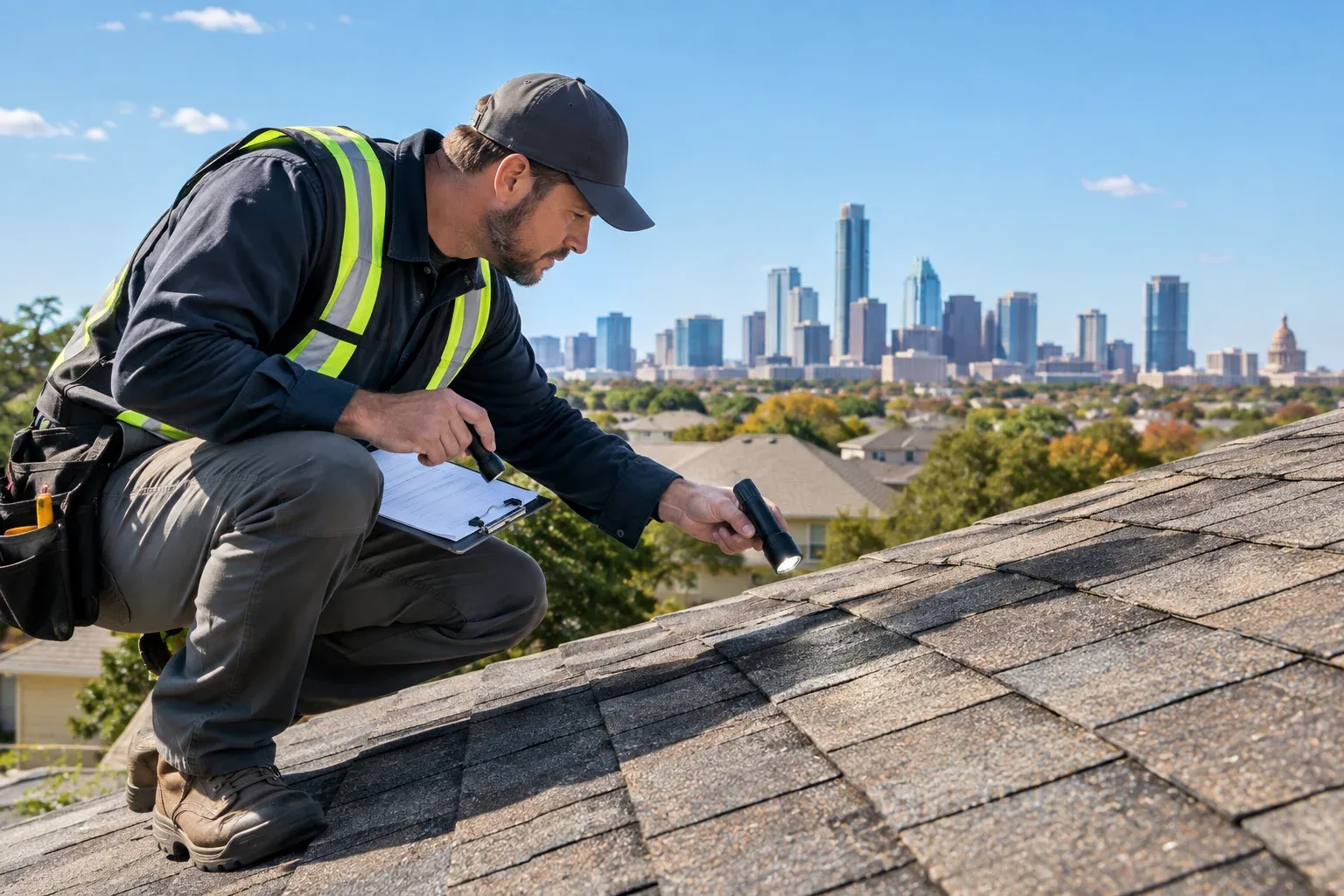
If you live in Austin, you already know how unpredictable Texas weather can be. One week it’s blazing hot. The next you’re dealing with sudden cold snaps and heavy rain rolling in without much warning. That shift is exactly why many homeowners choose fall for a roof inspection since it’s the calm stretch before the storm season really begins. Inspect Your Roof Before Winter to catch small issues while they’re still manageable rather than discovering them halfway through a downpour when it’s already too late to act calmly.
A roof inspection in October isn’t a seasonal chore to check off a list. It’s a low-stress way to protect your home, your budget, and your peace of mind before the rainy months roll in and put everything to the test. Homeowners who make this a habit tend to deal with far fewer emergencies and far smaller repair bills than those who wait until something goes visibly wrong.
How Fall Weather Truly Sets the Stage for Winter Roof Damage?
Austin summers are brutal on roofing materials even when nothing looks obviously wrong from street level. Months of UV exposure dry out shingles break down protective seals and make everything on your roof a little more brittle than it was back in spring. By the time fall arrives your roof has already absorbed a season of heat stress even though the visible signs might still be subtle enough to miss.
Then winter rains show up. Thats precisely when those hidden weaknesses get exposed for the first time. Water finds every gap, every loosened shingle edge and every worn seal that a long summer of heat created underneath the surface. A fall Roof Inspection catches these vulnerabilities while they’re still minor and inexpensive to fix of waiting for the first real storm to turn them into an active leak inside your home.
A Complete Fall Roof Checklist to Help Prevent Storm Trouble
A good fall roof inspection covers a lot ground than a quick glance at the shingles from the driveway. It should include a look at flashing around chimneys, vents and skylights along with clearing out gutters and downspouts so water has somewhere to actually go once storms arrive. Each of these areas tends to be an entry point for moisture and each one is easy to overlook without a structured checklist to follow.
It also helps to check insulation and ventilation while you’re at it since poor airflow can trap moisture inside and quietly accelerate damage from underneath the roofline. Walking through this checklist methodically section by section is really what separates a fall inspection from a rushed one that skips over the details that matter most when winter rain finally hits.
Common Roof Problems That October Inspections Usually Reveal
Inspectors working across Austin tend to find the handful of issues almost every fall season. Cracked or curling shingles from months of summer heat are near the top of that list along with granule loss that leaves shingles thinner and less protective than they used to be. Rusted flashing and small punctures from wind-blown debris also show up frequently once someone takes a look.
Sometimes the problems uncovered are less obvious at glance like soft spots forming in the decking or minor sagging homeowners simply haven’t noticed yet from the ground. These are the kinds of issues that don’t cause a visible leak right away but absolutely will once sustained winter rain adds ongoing moisture and pressure to an already weakened area.
Scheduling Inspections Helps Avoid Costly Roof Repairs
Waiting until the first Winter Storm Roof Damage to think seriously about your roof almost always ends up costing more money in the long run. Emergency repairs are priced higher contractors get busier and harder to reach and existing damage tends to spread while you’re stuck waiting for someone to finally show up. Scheduling early gives you options and negotiating room instead of putting you in a reactive, pay-whatever-it-takes position.
An early inspection also gives you time to plan financially if repairs turn out to be needed than scrambling to cover an unexpected expense right in the middle of an active storm season. It’s a deliberate step that consistently saves Austin homeowners meaningful money down the line simply by shifting the timeline in your favor.
What Really Happens When You Skip Your Fall Roof Inspections
Skipping a fall inspection doesn’t mean nothing happens behind the scenes it just means problems go unnoticed for longer than they should. A small leak that could’ve been patched easily in October can quietly turn into water-stained ceilings, soaked insulation or even mold growth by the time its finally discovered in the middle of winter. What starts as a inexpensive repair often becomes a full section replacement simply because it had months to worsen without anyone catching it.
The cost difference between catching an issue and discovering it only after storm damage has set in can be genuinely significant. That gap is really the core reason fall inspections matter much since the roof itself doesn’t get worse gradually and predictably it often fails suddenly once enough hidden damage has accumulated underneath.
Warning Signs Your Roof Needs Attention Before Winter Storms
Some warning signs are easy to spot once you know what to actually look for. Missing or curling shingles granules collecting heavily in your gutters and visible daylight coming through the boards are all clear red flags worth taking seriously. Water stains spreading across ceilings or walls are a more obvious signal that moisture is already finding its way in somewhere on the roof.
Obvious signs include a musty smell developing in the attic a slightly sagging roofline or shingles that feel unusually spongy underfoot during a careful walk-through inspection. Catching these signals before winter storms actually arrive gives you a chance to address them calmly instead of discovering them for the first time during an active downpour.
Why Professional Roof Inspections Save Homeowners Money?
A trained inspectors eye catches things most homeowners simply won’t notice from the ground or even standing on a ladder for a few minutes. Professionals know where problems typically hide, like underneath flashing behind vent boots or along seams that aren’t visible without getting up close and taking the time to look carefully. That kind of attention makes a measurable difference in what actually gets found.
This thoroughness prevents cheap-to-fix issues from quietly becoming major repairs a few months down the road. Paying for an inspection now is almost always far cheaper than paying for storm damage repair after the fact, which makes it less of an optional expense and more of a genuine investment in avoiding much bigger costs later.
Diy Roof Inspection Checklist Every Homeowner Follows
While a professional inspection is always the ideal option there’s still plenty homeowners can check themselves in between scheduled visits. Look at your Roof Leak Prevention from the ground using binoculars for any visibly damaged shingles check your gutters for granule buildup and glance into the attic for signs of light leaking through or moisture collecting anywhere unexpected.
You can also confirm that roof vents aren’t blocked by debris and that theres no sagging developing anywhere along the main roofline. This kind of DIY roof inspection checklist won’t ever replace a professional visit entirely but it does help you stay reasonably aware of changes happening between those scheduled inspections throughout the year.
The Ideal Time of Year to Schedule Your Full Roof Inspection
October tends to be the spot for most Austin homeowners looking to get ahead of the season. Summer heat has already done whatever damage it was going to do. Winter rain hasn’t arrived yet to make existing problems noticeably worse. Roofing companies also tend to be booked up in fall compared to right after a major storm hits, which makes scheduling considerably easier and faster.
Booking your inspection in October gives contractors lead time to complete any needed repairs before the wet season fully sets in across Central Texas. Waiting until November or December instead often means wait times and far less flexibility if any significant issues happen to be found during the visit.
Get Your Roofs Fully Storm-Ready Before Winter Rains Arrive
Getting your roof genuinely storm-ready isn’t complicated. It does take a bit of intentional planning ahead of time. Scheduling an inspection addressing any repairs promptly once they’re identified and doing a quick seasonal check yourself are really all it takes to head into winter with confidence instead of constant background worry.
A roof thats been prepared handles heavy sustained rain far better than one thats been quietly neglected all year. Taking care of it now means unpleasant surprises later on and considerably less stress once the actual winter storms roll through Austin.
Final Thoughts
Your roof works quietly in the background until something eventually goes wrong and by then the damage underneath has usually already been building for a while. A fall inspection is a relatively low-cost way to stay ahead of problems instead of constantly reacting to them after the fact. For Austin homeowners specifically October really is the window to get ahead of winter weather before it has any real chance to cause lasting trouble.
FAQs
Q1. How long does a roof inspection typically take?
Most residential roof inspections take between 30 minutes and an hour depending on the size and overall condition of the roof.
Q2. Can I inspect my roof myself of hiring a professional?
You can absolutely do a visual check yourself but a professional inspection tends to catch hidden issues that simply aren’t visible from the ground or a quick walkthrough.
Q3. How often should a roof be inspected?
Most experts recommend least once a year ideally sometime, in fall with an additional check scheduled after any major storm event.
Q4. Does a roof inspection cost anything if no repairs turn out to be needed?
Many roofing companies offer low-cost inspections though pricing does vary by company so it’s worth confirming upfront before booking.