
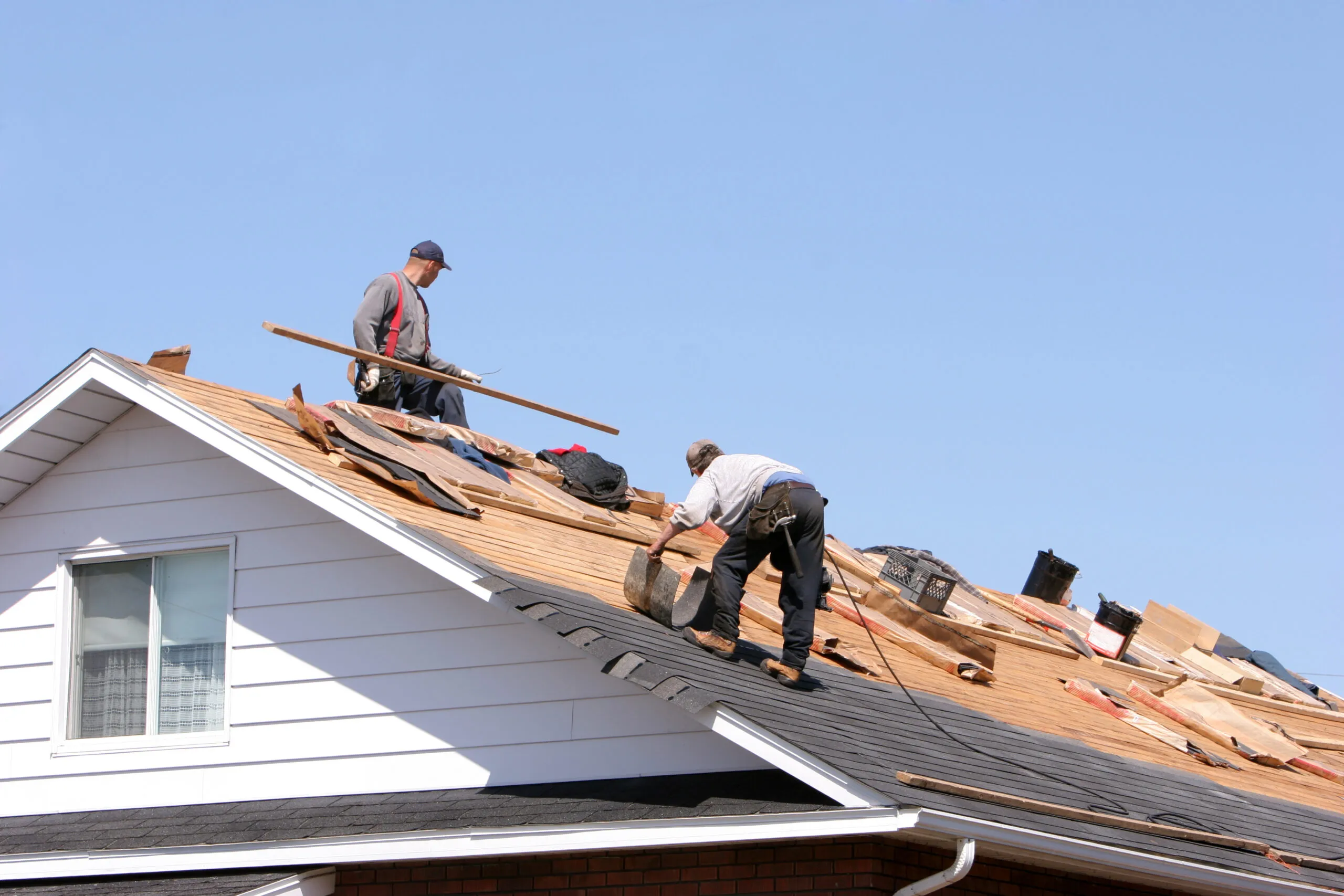
Recent Austin Storms have left homeowners over the city looking at their ceilings, gutters and attics for signs of problems. Between hailstorms strong winds and heavy rain the weather this season has put roofs to the test in ways many families were not ready for. Even homes that looked okay from the street turned out to have hidden damage once someone climbed up to look closely. Roofing companies in the area have seen an increase in calls and much of the damage was not visible until someone specifically looked for it.
For Austin homeowners this time of bad weather has been a sudden realization. A roof that seemed strong for years can get cracks, loose shingles or soft spots quickly when storms come one after another. Knowing what these storms do to a roof. And why the damage is not always easy to see. Is the step in protecting your home before the next bad weather comes. This guide explains what to look for and why acting early makes a difference.
What Recent Austin Storms Revealed About Residential Roof Damage?
This year’s storms brought more than rain. They brought winds, hail and long periods of heavy rain that hit roofs from all sides. Roofing teams in the city said there was an increase in service calls right after each major weather event with many homeowners not realizing anything was wrong until a leak appeared inside. In some areas entire blocks needed some kind of repair after the same storm system went through showing how big the impact was.
What stood out the most was how much damage happened on roofs that were a few years old. Storms do not care about the age of a roof. They find the spot, whether it is a part that was not sealed properly or a shingle that was not fastened right. The recent Austin storms showed that Regular Roof Inspections care is just as important as the age or type of a roof. Homes that had a record of maintenance usually did better than those that had not been checked in years.
How High Winds Can Expose Areas Across an Austin Roof?
Wind does not have to be really strong to cause problems. Gusts of 50 to 60 mph, which Austin saw times this season are enough to lift the edges of shingles loosen ridge caps and peel back sealant that is already starting to wear. Once that seal is broken wind-driven rain can get underneath. The damage tends to get worse with every additional gust the roof takes.
The hardest part is that wind damage often looks small from the ground. A few shingles might look a little out of place. The real problem is what is happening under the surface. Exposed nails, torn underlayment or gaps that let water in slowly over weeks. That slow leak is usually what leads to a bigger repair later especially if it is not found through several more storms before anyone notices.
Why Hail Damage Often Goes Unnoticed After Severe Austin Storms?
Hail is one of the types of Roof Damage Inspection because it does not usually leave a big hole. Instead it bruises shingles takes away the granules and weakens the material from the inside out. From the driveway a hail-damaged roof can look completely normal which is why many homeowners do not realize the damage until much later.
That is why so many Austin homeowners do not get their roof checked after a hailstorm. There is nothing obvious to see.. Those bruised areas break down faster with every future rain or sun exposure which makes the roof last much shorter. A roof that looks okay today can develop a leak six months later from damage that happened in an afternoon storm often catching homeowners completely by surprise.
Which Roof Components Are Most Vulnerable During Austin Storms?
Not every part of a roof reacts the way to bad weather. The parts around chimneys and vents the areas where two roof sections meet and the edges near gutters often take the damage from wind and water. These are the places where water naturally gathers or where two parts of the roof come together making them more likely to fail than areas of the roof.
Skylights, vents and satellite mounts are also trouble spots because any hole in the roof creates a possible way for water to get in. When storms hit it is usually these areas. Not the open parts of the roof. That fail first and cause the most noticeable leaks inside. Paying attention to these specific areas can help homeowners find problems sooner.
How Heavy Rain Can Turn Roof Issues Into Major Problems?
A roof with one or two small issues can usually take light rain without any problems.. Heavy long-lasting rain. The kind that Austin has seen many times this season. Puts much more pressure on every weak spot at once. Water finds the opening and keeps pushing until it gets through especially when storms last for hours instead of just passing quickly.
This is why some homeowners notice a leak for the time during a big storm even though the damage had been there for months. Once water gets past the shingles and underlayment it can move along the roof before it appears as a stain on the ceiling, which makes finding the problem early so important. By the time a stain is seen the water has often traveled a way.
Why Older Austin Roofs Face Greater Risks During Severe Storms?
Roofing materials naturally lose strength and flexibility as they get older. A roof that is near the end of its expected life has protection against wind lifting and its sealants and flashing are more likely to have cracked from years of heat. When a big storm hits old roofs have room for mistakes and even a moderate storm can cause damage that a newer roof would have handled easily.
That does not mean every old roof needs to be replaced away but it does mean older roofs need more attention after any big weather event. A quick check can find problems. Like loose shingles, worn flashing or clogged gutters. Before they turn into a big leak during the next storm. Taking care of these repairs often makes a roof last longer.
How Austin Homeowners Can Spot Hidden Storm Damage Early?
You do not need to go up on the roof yourself to find signs of damage. Start by looking at your gutters and the ground around your house for granules, which show that shingles are wearing out. Inside check ceilings and the attic for water stains musty smells or any sagging that wasn’t there before since these are usually the first signs something is not right above.
From the ground using binoculars can help you see shingles curled edges or dents from hail. If anything looks wrong. A little. It is worth having a professional check it out. Finding damage usually costs less than waiting for a leak to appear inside the home and it can stop a small repair from becoming a much bigger job.
What Roof Inspections Can Reveal After a Severe Austin Storm?
A Roof Inspection Services is much more than what you can see from the ground or even from a ladder. Trained inspectors check the seals around flashing look at the attic for signs of water and check how much granule loss there is on the shingles to see how much protection is left. This level of detail helps find damage before it becomes a leak. It often shows problems that homeowners could not see on their own.
Inspections after a storm often show issues that homeowners had no idea existed like a lifted ridge cap or a cracked vent. Having a record of the storm damage is also helpful if you need to file an insurance claim as it gives a record of what happened and when. This proof can make the claims process much easier and faster.
How LLAgua Roofing Responded to Austin Storm Damage?
As more calls came in from Austin about storm damage LLAgua Roofing focused on getting inspection teams out quickly to check damage before it got worse. The goal was to do honest checks. Finding real issues and not pushing for work that was not needed. And explaining the findings in a way that homeowners could understand without using confusing technical language.
Every roof reacts differently to a storm, based on its age, material and past care so the team made each inspection and repair plan fit the roof. Whether it was a fix to the flashing or a bigger repair the goal was to get homeowners back to a safe roof as quickly as possible without cutting corners.
What Austin Homeowners Should Do After Storm Damage Occurs?
If you think your roof was hit during a storm the first step is to take photos of any visible damage both from the ground and inside the attic if you can get in. This record helps whether you are planning repairs or working with insurance and it gives a before-and-after picture once the work is done.
Next call a Professional roof Maintenance for a check instead of just looking from the outside. Acting fast is important here since even small problems that are not fixed can get worse with rain making a small repair into a much bigger job later. The sooner the inspection, the options homeowners usually have.
Final Thoughts
Recent Austin storms have shown one thing clearly: roof damage is not always easy to see and waiting until you see a leak inside your home usually means the problem has been building for a while. Wind, hail and heavy rain each stress a roof in ways and older or already damaged roofs are especially at risk. Scheduling an inspection after a storm. Even if everything looks okay from the ground. Is one of the ways to protect your home and avoid more expensive repairs later.
FAQs
Q1. How soon after a storm should I get my roof inspected?
Soon as possible ideally, within a few days especially after hail or strong winds since small damage can get worse with more rain.
Q2. Can hail damage a roof without leaving holes?
Yes hail often bruises shingles. Strips protective granules without creating obvious holes, which is why professional inspections matter.
Q3. Is roof damage from a storm usually covered by insurance?
Many homeowner policies cover storm-related roof damage. Coverage varies, so a documented inspection report is helpful for any claim.
Q4. How often should Austin homeowners schedule roof maintenance?
A general inspection once or twice a year plus, after any storm helps catch small issues before they become major repairs.